Beyond the Poverty vs. Neglect Debate: What Are We Actually Trying to Solve?
We have to ask whether we’re solving the problems child welfare agencies actually face—or the problems Washington has decided they have.

Aly combines policy knowledge with her personal experiences to improve the systems that should empower the people who need help most.

We have to ask whether we’re solving the problems child welfare agencies actually face—or the problems Washington has decided they have.

When people are in distress, whether due to unemployment, underemployment, or family crisis, the programs designed to help them should be easy to find, access, and understand.
Our debates often focus on what the statute says, how the program works, or what the top line data suggest. What we measure typically emphasizes the experiences of adults. What gets lost is the fundamentally different way children experience the child welfare system.

Today’s child protection requires modern tools to better support the people carrying the weight of it.
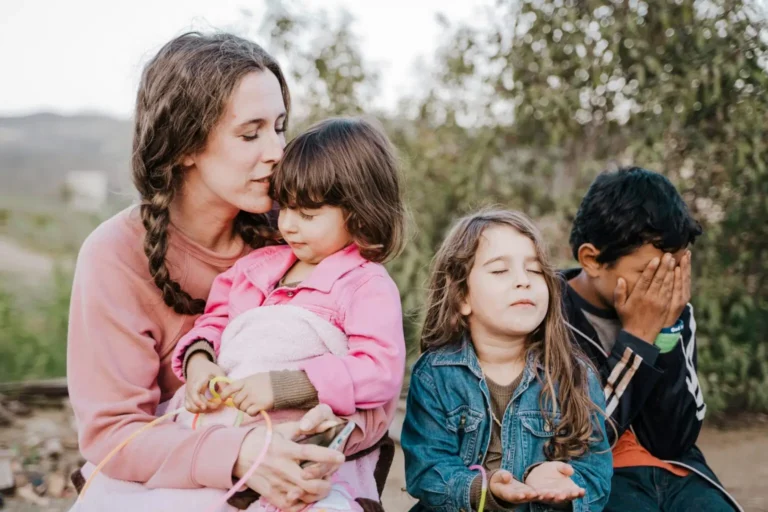
Current policy fails to serve vulnerable families even when they interact with government agencies

Policymakers must design systems that reflect the reality of addiction rather than the ideal of sobriety.