Beyond the Poverty vs. Neglect Debate: What Are We Actually Trying to Solve?
We have to ask whether we’re solving the problems child welfare agencies actually face—or the problems Washington has decided they have.


We have to ask whether we’re solving the problems child welfare agencies actually face—or the problems Washington has decided they have.
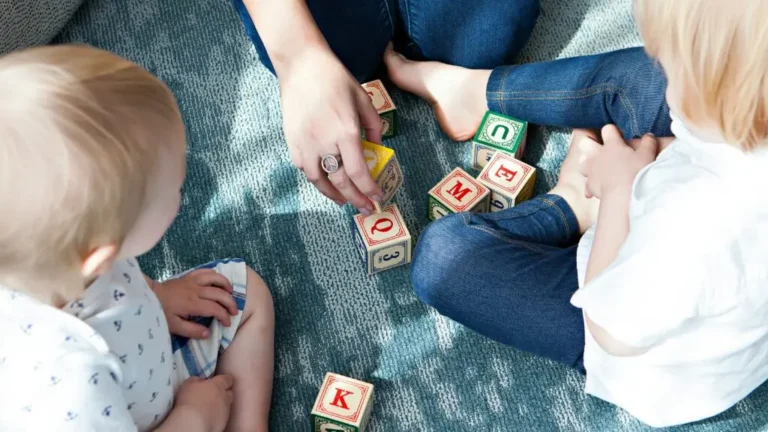
Child care prices are one of the greatest impediments to flourishing for young families.

When people are in distress, whether due to unemployment, underemployment, or family crisis, the programs designed to help them should be easy to find, access, and understand.

In a field where the implications of practice are so significant and the consequences of error are tragic, a highly-trained, well-supported workforce is essential.

Coordination and partnership undergird responsible and responsive systems

Children under care often experience profound disruptions to their daily lives and sense of stability

These principles improve child safety and stability by prioritizing focus, excellence, accountability and partnership.
Our debates often focus on what the statute says, how the program works, or what the top line data suggest. What we measure typically emphasizes the experiences of adults. What gets lost is the fundamentally different way children experience the child welfare system.

Today’s child protection requires modern tools to better support the people carrying the weight of it.

Family supports and child protection should not come from the same government agency